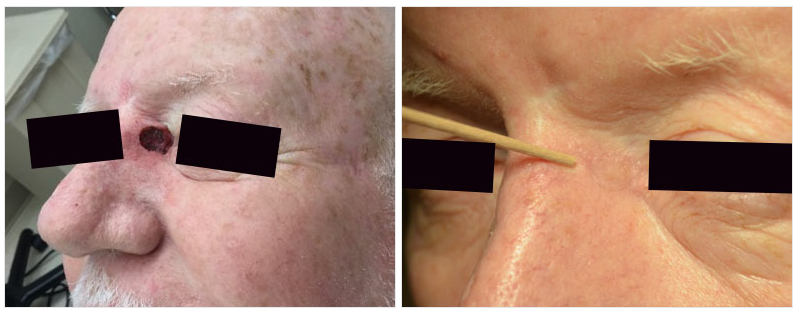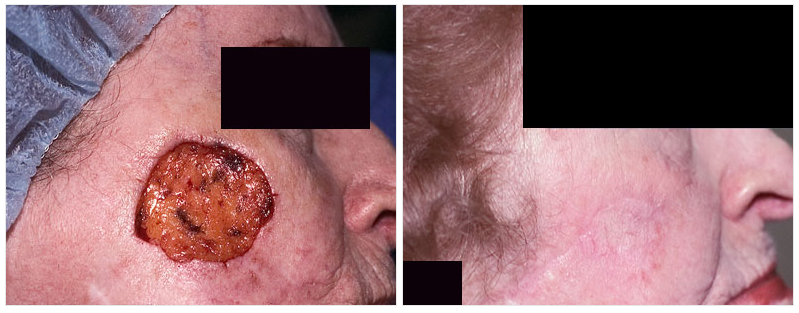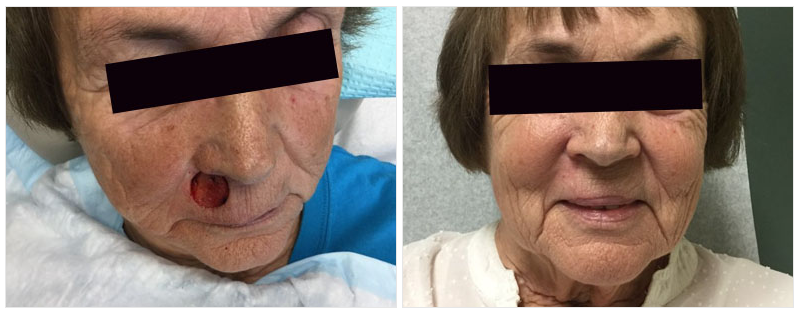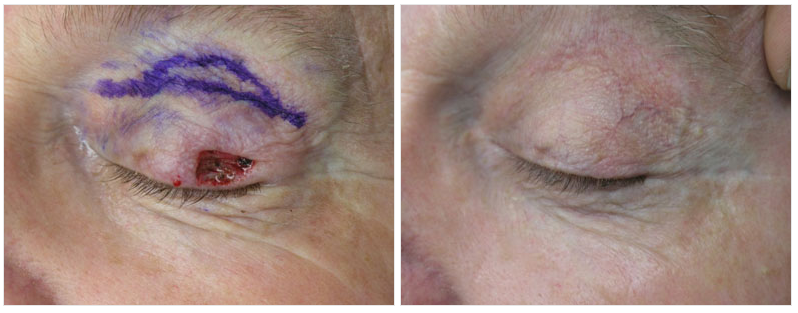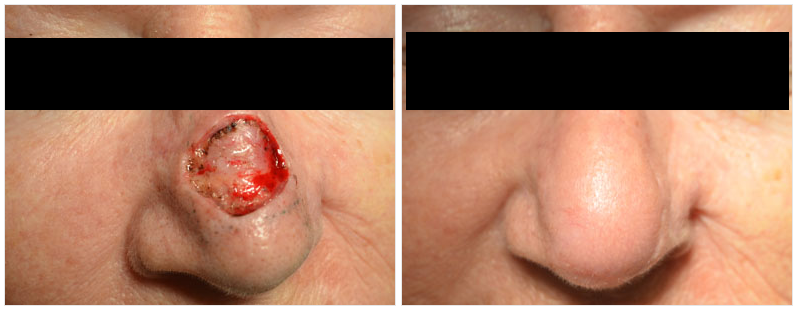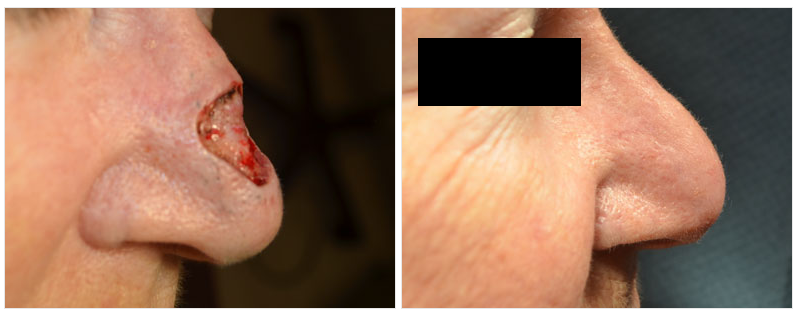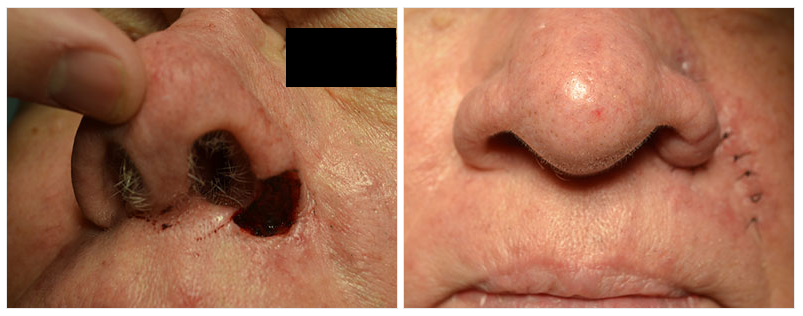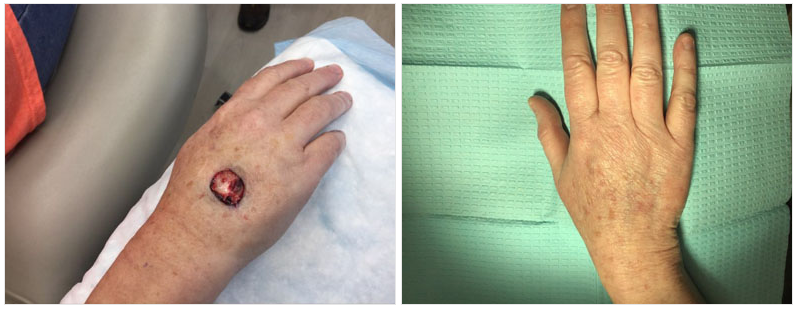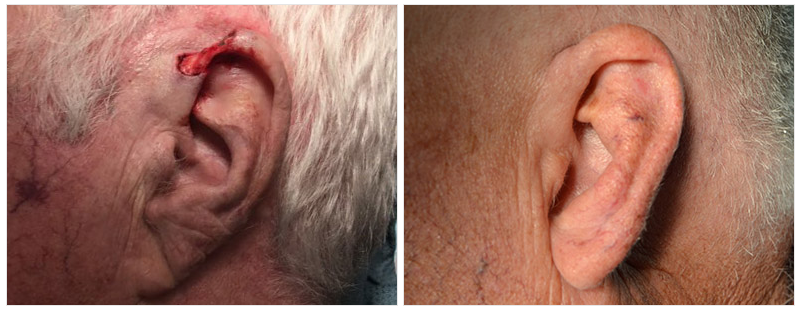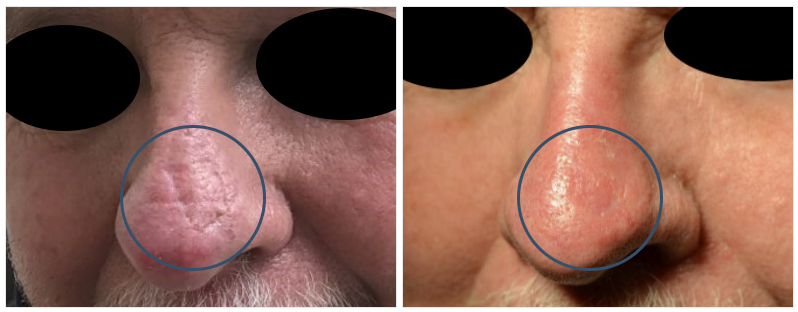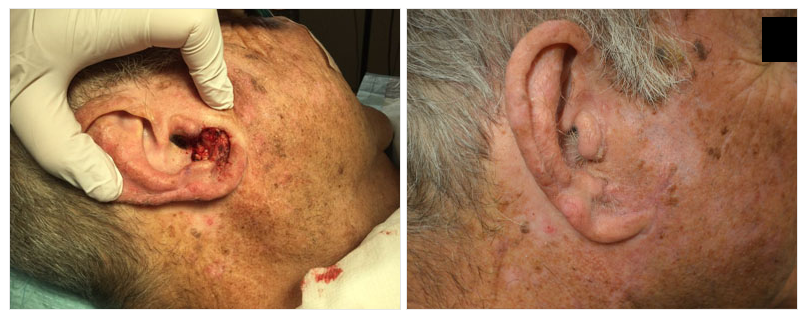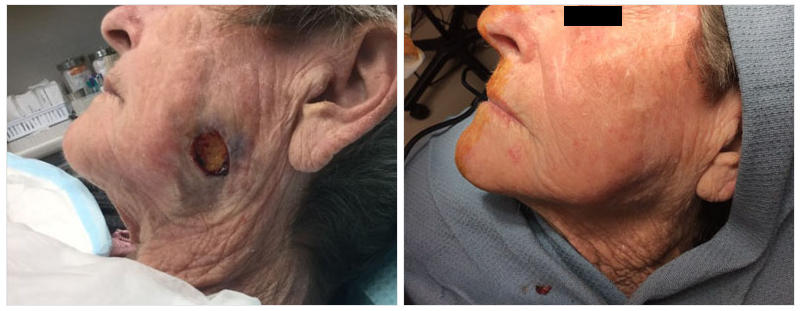

Mohs Surgery is a specialized procedure for removing skin cancers, especially those that may be in cosmetically sensitive locations, have aggressive growth features, are recurrent, large, or in sensitive areas, such as the face or eyelid. Dr. David Kent and Dr. Steven Kent are both board-certified, fellowship-trained MOHS Surgeons. Dr. Steven Kent is the only MOHS Surgeon in Middle Georgia performing MOHS Surgery for Melanoma.
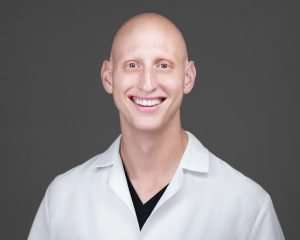
Steven Kent, MD
“Performing Mohs Surgery allows me the honor to solve my patient’s skin cancer problems, while also focusing on their comfort, safety, and delivering excellent results.”
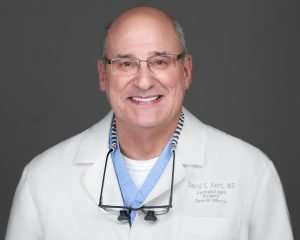
David E. Kent, MD
Diagnosis of Skin Cancer
The diagnosis of a skin cancer is confirmed by a skin biopsy that is routinely performed in the office using local anesthesia. At SCPOG, we are committed to reducing discomfort for our patients and are able to inject local anesthetic virtually painlessly using new techniques.
Types of Skin Cancer
Basal Cell Carcinoma
Basal cell carcinoma is the most common type of skin cancer and is often caused by sun exposure. These slow-growing lesions may appear pearly, waxy, or scab repeatedly. Early diagnosis and treatment are highly effective.
Squamous Cell Carcinoma
Melanoma
Melanoma is a serious form of skin cancer that develops in pigment-producing cells. Warning signs include changes in a mole’s size, shape, color, or symmetry. Regular skin checks and early evaluation are key to successful treatment.
Treatment of Skin Cancer
Fortunately, the overwhelming majority of skin cancers are successfully treated in the office by one of several methods. The treatment options for a particular skin cancer are reviewed with each patient and a treatment plan is individualized. These options range from using a topical medicine for tiny very superficial lesions, to various surgical options.
Mohs Surgery
Basal cell carcinoma is the most common type of skin cancer and is often caused by sun exposure. These slow-growing lesions may appear pearly, waxy, or scab repeatedly. Early diagnosis and treatment are highly effective.
Squamous Cell Carcinoma
Melanoma
Melanoma is a serious form of skin cancer that develops in pigment-producing cells. Warning signs include changes in a mole’s size, shape, color, or symmetry. Regular skin checks and early evaluation are key to successful treatment.
Why choose SCPOG for your Mohs Surgery?
- Certified by the American Board of Dermatology, member of the American College of Mohs Surgery
- 1st full time fellowship trained physician for Mohs Surgery outside of Atlanta in the state of Georgia since 1987
- Performed over 60,000 Mohs cases
- Expert in management of difficult and recurrent skin cancers
- Surgical staff at major hospitals in Macon with OR privileges
- One of a small select group of physicians in the US with a nationally accredited training program who trains physicians to be experts in Mohs surgery and reconstruction
- We have two fellowship-trained Mohs surgeons in practice
- Drs. David Kent and Steven Kent serve as faculty for Superficial Anatomy & Cutaneous Surgery course at Scripps Clinic, La Jolla, CA.
For more detailed information about skin cancer, visit https://www.skincancer.org/skin-cancer-information/skin-cancer-facts/
Before & After Gallery